
In an unusual special Sunday hearing, the Delhi High Court declined to grant interim relief to environmental activist Sonam Wangchuk, refusing his request to be shifted from a government hospital to a private medical facility of his own choice.
The matter reached the High Court after Dr. Gitanjali Angmo, Wangchuk’s wife, approached the Court seeking urgent intervention. She contended that her husband, who has been on an indefinite hunger strike since June 28 at Jantar Mantar, should be permitted to receive treatment at a private hospital instead of remaining under government medical care.
However, the Court was not convinced that immediate judicial intervention was necessary.
Why Was Sonam Wangchuk Hospitalized?
Sonam Wangchuk had been protesting at Delhi’s Jantar Mantar, demanding greater constitutional safeguards and environmental protection for Ladakh. As his fast entered a prolonged phase, concerns over his deteriorating health prompted authorities to shift him from the protest site to a government hospital for medical supervision.
The government’s action was challenged before the High Court, with the plea arguing that Wangchuk should have the freedom to choose his own medical institution.
What Did the Delhi High Court Say?
Hearing the matter on Sunday, the Delhi High Court observed that it was not persuaded to pass any interim order directing authorities to transfer Wangchuk to a private hospital.
The Court also remarked that, based on the material available before it at this stage, the government’s decision to move him from the protest site to a hospital could not be described as arbitrary. Consequently, no interim directions were issued in favour of the petitioner.
The observations indicate that the Court was satisfied that the authorities acted in response to legitimate medical concerns rather than for any improper purpose.
Balancing Individual Choice and State Responsibility
The case raises an important legal question: Where does an individual’s right to choose medical treatment end, and where does the State’s responsibility to preserve life begin?
While a patient ordinarily enjoys autonomy in making healthcare decisions, courts have repeatedly recognized that the State also carries a constitutional obligation to protect life, particularly when an individual’s health reaches a critical stage during a public protest.
The Delhi High Court’s refusal to grant immediate relief reflects this delicate balancing exercise, leaving the broader legal issues to be examined in subsequent proceedings.
What Happens Next?
For now, Sonam Wangchuk will continue receiving treatment at the government hospital, with the High Court declining to interfere through interim directions. The main petition remains pending, and the Court is expected to examine the issues in greater detail during the course of the proceedings.
The case has once again brought into focus the constitutional interplay between the right to protest, personal autonomy, medical consent, and the State’s duty to safeguard life questions that continue to shape India’s evolving constitutional jurisprudence.
The Court held that it was not convinced immediate judicial intervention was necessary and found the government’s decision to shift him to a government hospital justified based on medical concerns.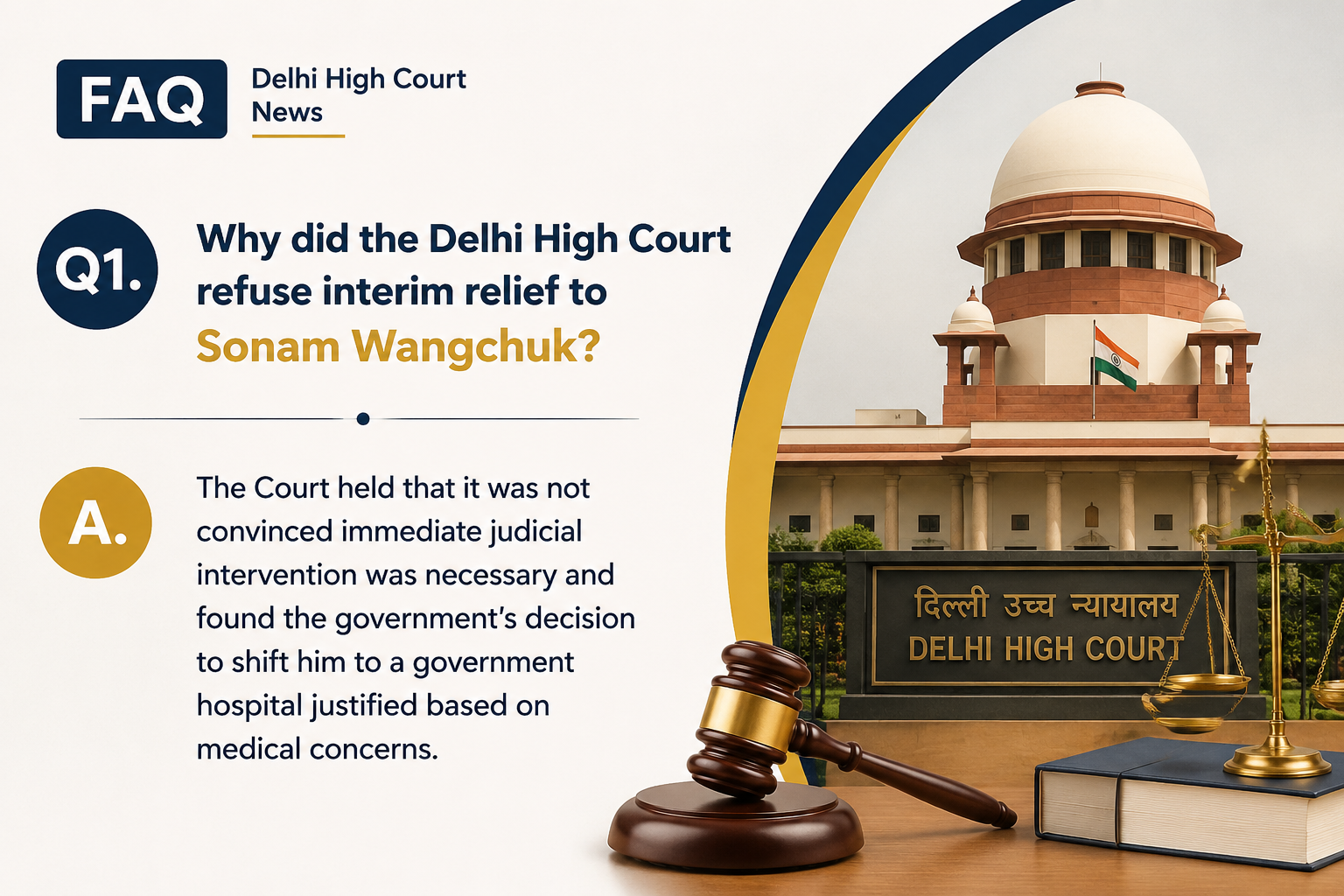
Authorities shifted him after his prolonged hunger strike raised concerns about his deteriorating health, requiring medical supervision.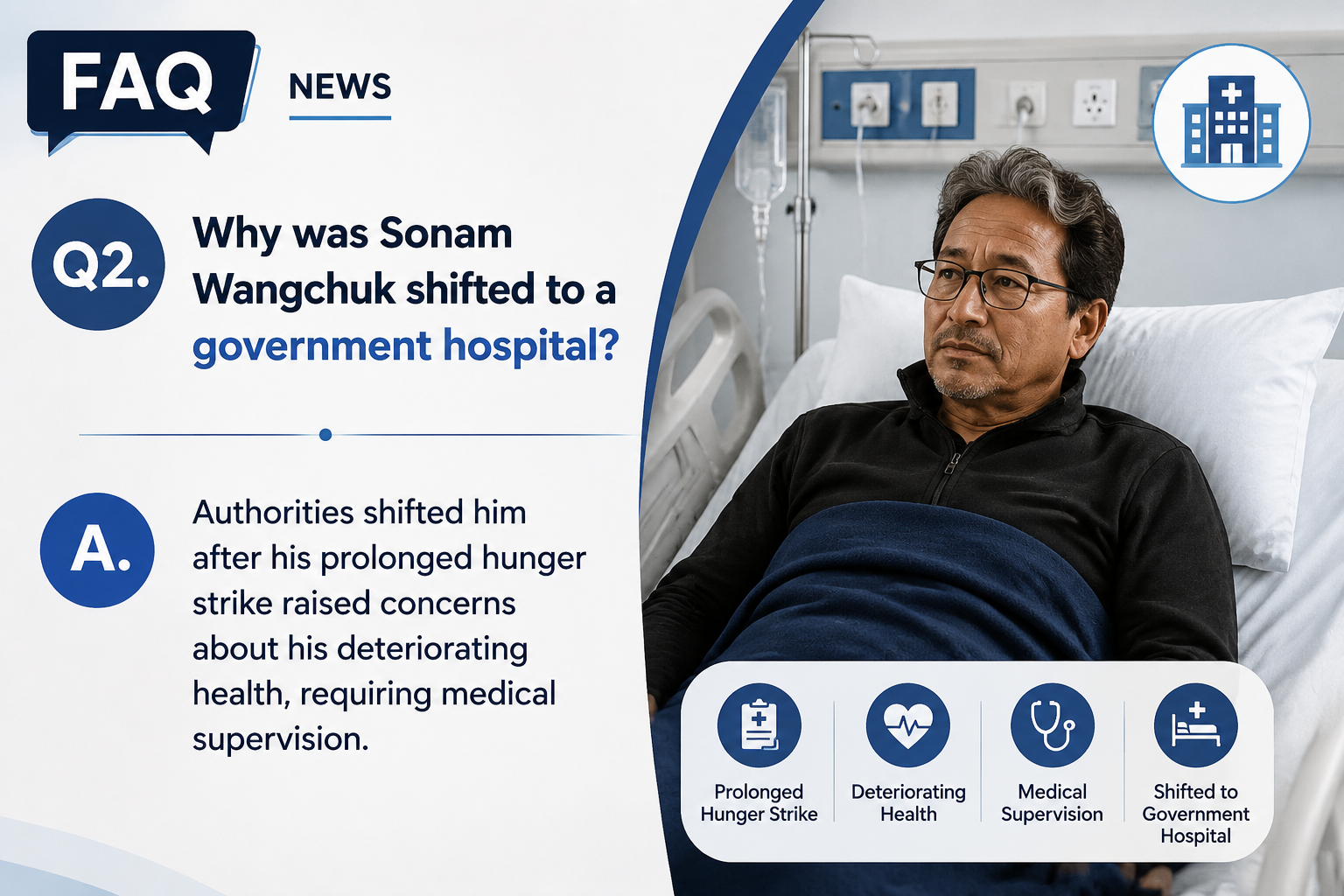
The case concerns the balance between an individual’s right to choose medical treatment and the State’s constitutional duty to protect life.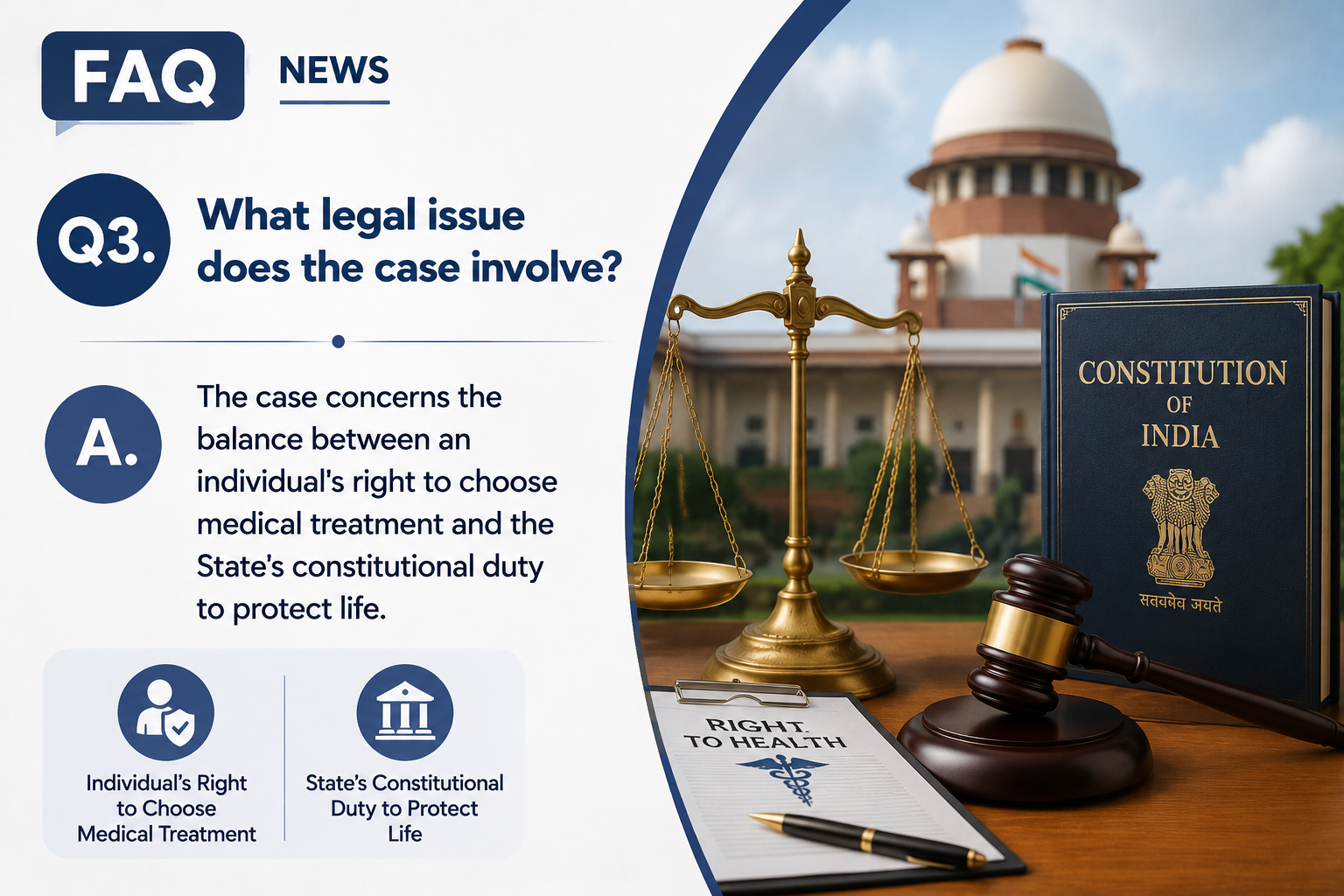
Yes. The Delhi High Court has only refused interim relief. The main petition remains pending.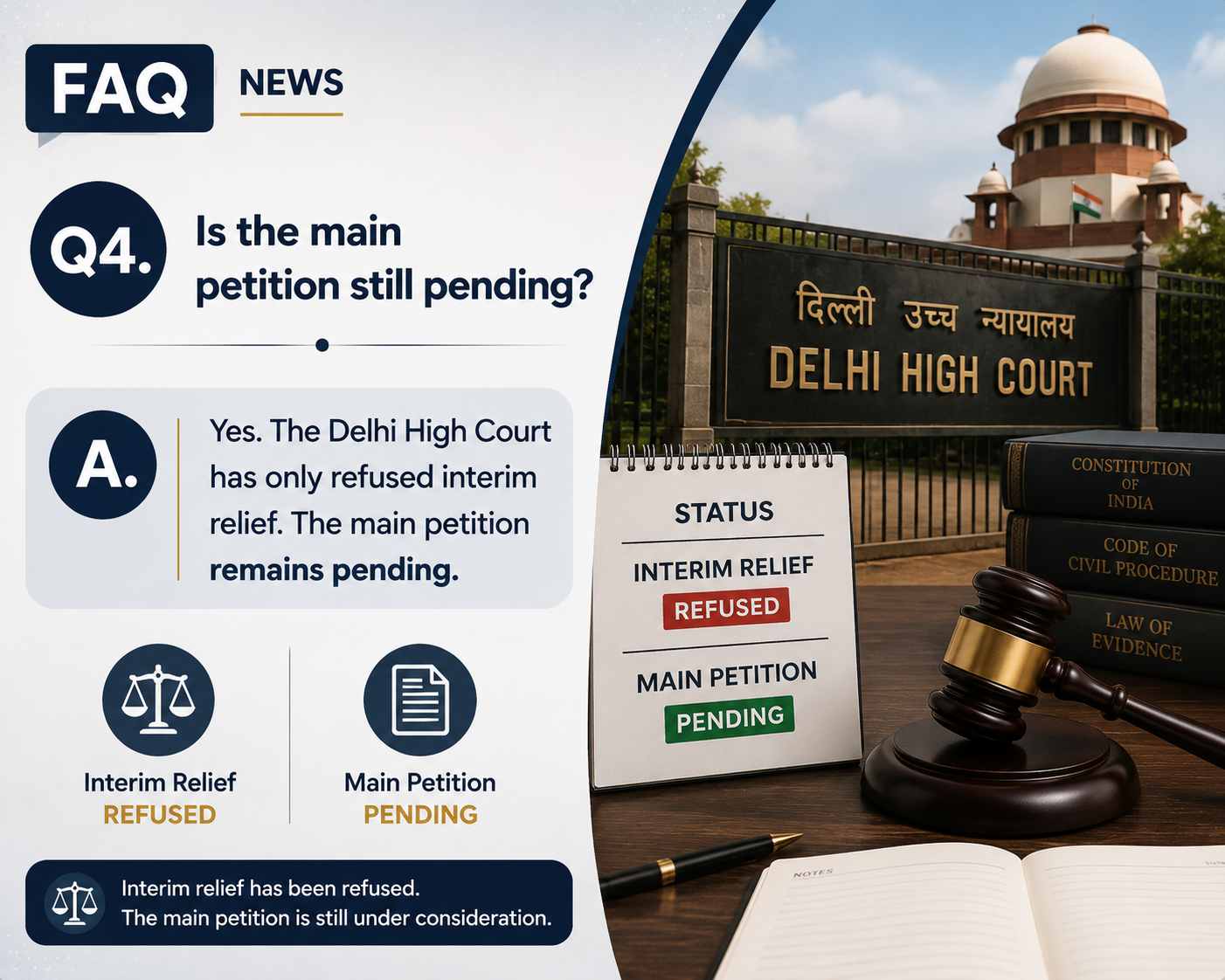
He was protesting for greater constitutional safeguards and stronger environmental protection for Ladakh.